Issue 20
Issue 20
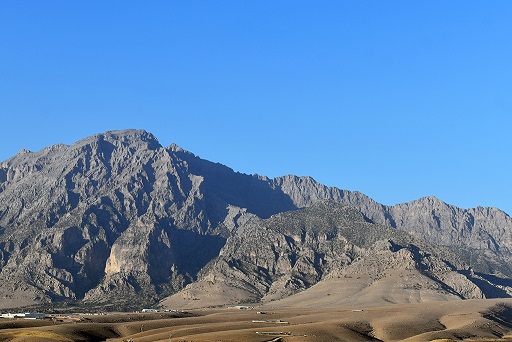
In the late third and early second millennium bc, the large plain known today as the Shahrizor and its surrounding region, located in the province of Suleymaniyah in Iraqi Kurdistan, likely formed an important region of the kingdom of Simurrum (Fig. 31.1; Altaweel et al. 2012). For much of the remaining second millennium bc and into the irst two centuries of the irst millennium bc, the region was a contested border zone between northern and southern Mesopotamian kingdoms or became splintered into small kingdoms.
The cave here at Zarzi was used by groups of hunter-gatherers between 18,000 and 14,000 years ago. Zarzi Cave was excavated by Dorothy Garrod in 1928 and by Iraqi archaeologist Ghanim Wahida in 1971.
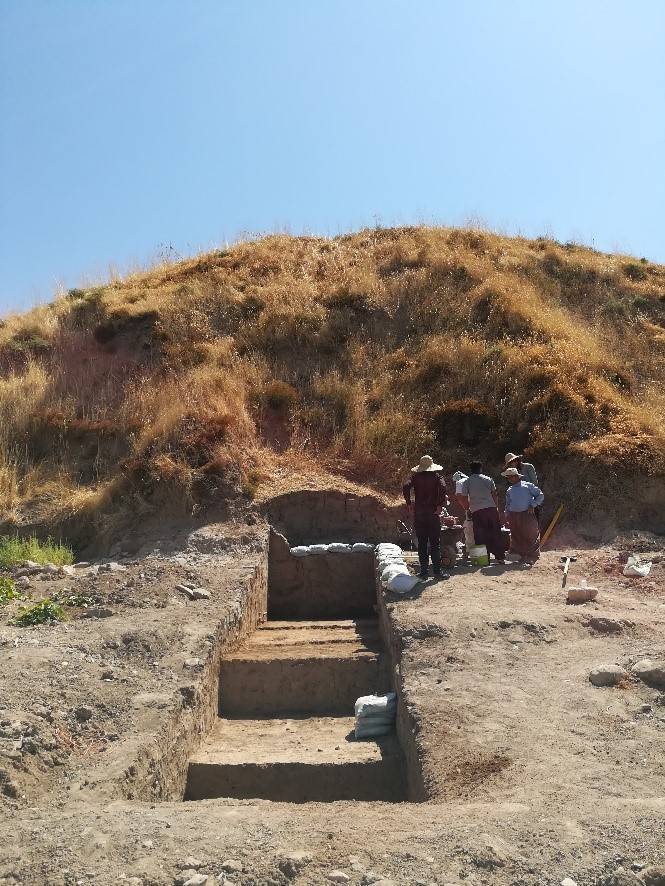
Shakar Tapa has been known as a conspicuous archaeological site in the south of the Shahrazor Plain since the mid-20th century. It has an oval plan consisting of a low northeastern mound and a high conical southwestern mound with a flat top.
Issue 20